

Same-DayDiagnosis
ResidentialCommercial
California Lic.#1091355
Same-Day DiagnosisResidential • CommercialCalifornia Lic. #1091355
Investigate heating, cooling, airflow, refrigerant and control issues before choosing a course of action.
Address identified faults and test the system after the repair.
Assess the existing system and building needs before selecting replacement equipment.
Plan the installation around the commercial space and verify system operation afterward.
Discuss diagnostics, repair, replacement or installation.
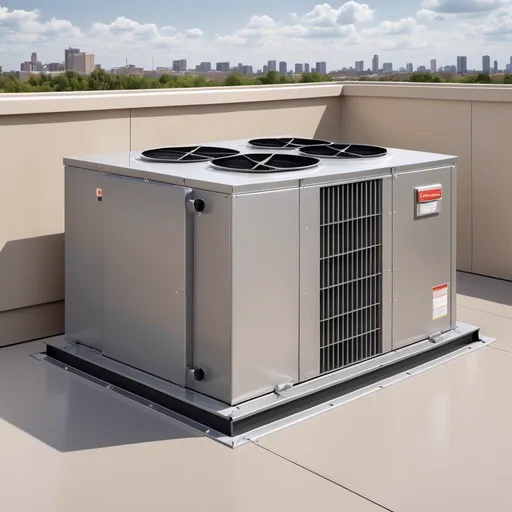
If a commercial heat pump is not heating or cooling as expected, the first step is finding the cause. Thermostat faults, dirty coils and refrigerant leaks are possible causes of poor performance. Short cycling, frozen coils, unusual noise and uneven airflow can point to filter, electrical, blower or ductwork problems.
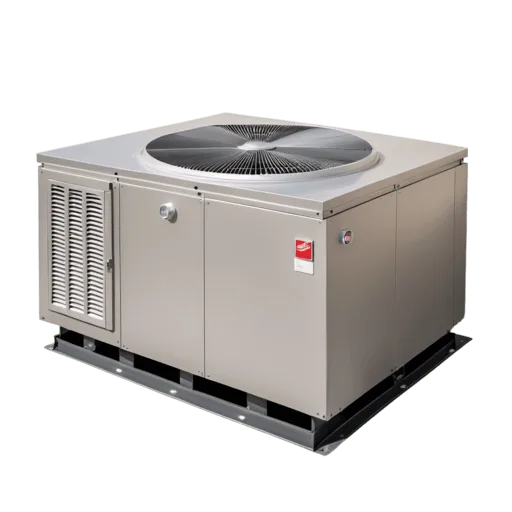
A detailed inspection helps identify the root cause before recommending repairs. After the work, the system should be tested for heating and cooling performance, airflow and operation. Coil and filter cleaning, refrigerant checks and inspection of electrical components are also part of the maintenance topics covered in the original repair page.
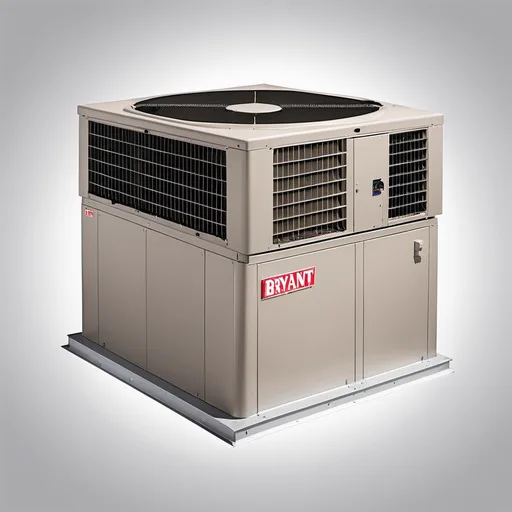
When an existing system needs replacing, work starts with a site evaluation: building size, layout and heating and cooling requirements. System selection follows from those needs, including the type and capacity of the equipment and the constraints of the site. A heat pump transfers heat to provide both heating and cooling from one system.
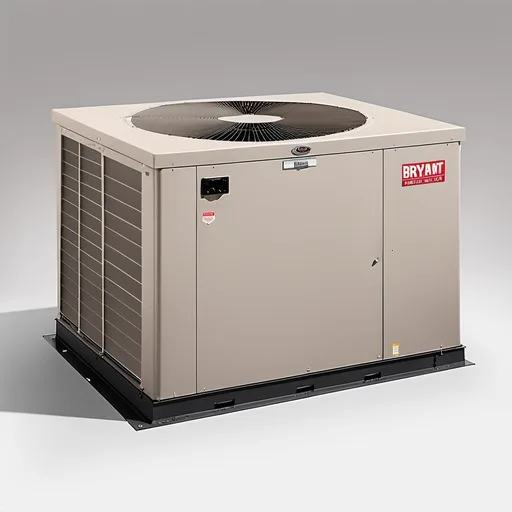
After selecting a system for the space, the next steps are installation, testing and adjustment. The appropriate scope depends on the building and the existing equipment. Contact ABC Service at 650-399-1887 to discuss commercial heat pump repair or a new installation.
A commercial heat pump provides both heating and cooling by transferring heat.
Filters, blowers and ductwork can affect comfort and system performance.
Thermostats, coils, refrigerant and electrical components can all affect operation; the cause should be identified before repairs are recommended.
Building size, layout and heating and cooling requirements inform equipment selection.


%20--%3e%3csvg%20version='1.1'%20id='Layer_1'%20xmlns='http://www.w3.org/2000/svg'%20xmlns:xlink='http://www.w3.org/1999/xlink'%20x='0px'%20y='0px'%20viewBox='0%200%20150%2050'%20style='enable-background:new%200%200%20150%2050;'%20xml:space='preserve'%3e%3cg%3e%3cpath%20style='fill:%23C9202F;'%20d='M124.447,44.322c-23.807,5.229-55.19-0.102-55.19-0.102s73.175,3.979,71.344-20.254%20C138.687-1.368,35.312,8.163,35.312,8.163c60.192-10.521,91.646-0.564,93.939-0.144c11.942,3.18,19.694,9.036,20.404,15.459%20C151.563,35.271,135.269,41.943,124.447,44.322z'/%3e%3cpath%20style='fill:%23C9202F;'%20d='M83.171,38.6c-2.416,0-4.058-0.553-4.927-1.656s-1.022-2.773-0.301-5.027l4.168-12.728%20c0.861-2.684,1.97-4.478,3.324-5.382c1.353-0.904,3.469-1.357,6.35-1.357h2.956c2.877,0,4.145,0.301,5.231,1.535%20c0.934,1.06,0.972,2.521,0.108,5.205l-4.149,12.718c-0.723,2.254-1.507,4.117-3.085,5.223S88.903,38.6,86.488,38.6L83.171,38.6z%20M96.602,18.799c0.302-1.029,0.558-1.979,0.113-2.657c-0.327-0.502-0.804-0.66-1.711-0.731c-0.829-0.117-2.286-0.062-2.286-0.062%20c-1.258,0.037-2.021,0.267-2.65,0.772c-0.629,0.506-0.955,1.038-1.479,2.669L84.19,32.285c-0.406,1.26-0.455,2.143-0.151,2.65%20c0.302,0.506,1.244,0.822,2.747,0.822c1.418-0.004,2.752-0.059,3.935-0.955c0.682-0.43,1.019-1.258,1.459-2.508L96.602,18.799z'/%3e%3cpath%20style='fill:%23C9202F;'%20d='M14.834,38.18c0,0-14.646,0.014-14.643,0.002l8.314-25.357h6.201c0,0-7.508,22.517-7.448,22.517%20h8.521L14.834,38.18z'/%3e%3cpath%20style='fill:%23C9202F;'%20d='M39.008,15.701c-0.006,0,0.945-2.86,0.945-2.86H25.417c-0.002,0-0.005,0-0.005,0l-8.31,25.339H31.61%20l0.951-2.838c0,0-7.745,0-8.385,0c-0.027,0,1.516-4.672,3.201-9.758c3.337,0,7.298,0,7.294,0c-0.008,0,0.938-2.859,0.938-2.859%20s-3.821,0-7.282-0.001c0.876-2.64,1.72-5.18,2.333-7.023C34.597,15.701,39.013,15.701,39.008,15.701z'/%3e%3cpath%20style='fill:%23C9202F;'%20d='M77.25,12.821l-5.508,16.97l-2.311-16.967l-6.073,0.003l-8.253,25.356h6.074l5.537-16.979%20c0,0,2.265,16.725,2.305,16.971l-0.002,0.006l3.525,0.002l8.242-25.363L77.25,12.821L77.25,12.821z'/%3e%3cpath%20style='fill:%23C9202F;'%20d='M121.157,12.821h-4.427l-5.274,6.652l-1.309-6.652l-6.496,0.007l2.393,11.52l-10.54,13.836h4.357%20l7.112-9.356l1.94,9.352l6.226,0.002l-2.777-14.11L121.157,12.821z'/%3e%3cpath%20style='fill:%23C9202F;'%20d='M56.332,12.822l-5.511,16.971l-2.308-16.965l-6.075,0.003l-8.252,25.357h6.074l5.535-16.981%20c0,0,2.268,16.739,2.305,16.97l-0.002,0.012h3.527l8.241-25.365h-3.534L56.332,12.822z'/%3e%3cpath%20style='fill:%23C9202F;'%20d='M138.687,44.271c0,1.305-1.07,2.375-2.376,2.375c-1.305,0-2.373-1.07-2.373-2.375%20s1.068-2.373,2.373-2.373S138.687,42.967,138.687,44.271z%20M134.331,44.271c0,1.076,0.903,1.975,1.979,1.982%20c1.075-0.008,1.981-0.906,1.981-1.982c0-1.074-0.906-1.98-1.981-1.98C135.234,42.291,134.331,43.197,134.331,44.271z%20M135.688,42.98h1.022c0.559,0,0.768,0.295,0.768,0.57c0,0.533-0.334,0.695-0.616,0.834l0.42,1.08l-0.681,0.092l-0.317-1.041%20h-0.288l-0.211,1.004h-0.621L135.688,42.98z%20M136.095,44.135h0.223c0.321,0,0.524-0.189,0.524-0.48%20c0-0.156-0.124-0.295-0.327-0.295h-0.262L136.095,44.135z'/%3e%3c/g%3e%3c/svg%3e)


Review the existing system or the building's heating and cooling needs.
Explain the repair or replacement options and the proposed scope.
Complete the agreed repair or installation work.
Check system operation and make necessary adjustments.